

Marking Jewish Culture Month in the workplace is a practical and visible way of recognising that Jewish culture is integral to Jewish life. After all, we spend a significant part of our adult lives at work.
For Jewish staff, this kind of recognition carries weight. At a time when antisemitism has reached record levels, celebration in public spaces sends a clear message: Jewish identity is valued here. Culture is not something to be hidden. Visibility becomes a form of reassurance and belonging.
For colleagues who are not Jewish, Jewish Culture Month offers something equally important: an opportunity to learn, to engage and to connect. Jewish Culture Month is an invitation to employers across Britain to participate with confidence in sharing Jewish pride far and wide.
How can my workplace get involved?
- One of the simplest and most effective ways to mark Jewish Culture Month is through your internal communications. A short post on the company intranet, an email from a member of the executive team, or a feature in your staff newsletter can set the tone for the month and signal that this celebration is owned at the highest level.
- If your organisation has a Jewish Staff Network, consider inviting its senior sponsor to author the piece. When a senior figure chooses to mark Jewish Culture Month, it demonstrates that he organisation is proud to recognise Jewish culture. It also provides reassurance to Jewish colleagues that their identity is seen and valued.
- Share practical resources that deepen understanding and support inclusion. One simple step is to make sure your HR team and line managers are familiar with the latest edition of the Employer’s Guide to Judaism (third edition) – Board of Deputies of British Jews. This guide offers clear, workplace-focused information on Jewish observance, holidays and practice, as well as guidance on preventing antisemitic discrimination.
- Bring the Jewish Living Experience Exhibition into your workplace or staff events. This interactive, travelling exhibition offers an immersive insight into Judaism as a lived culture and way of life, with illustrated panels, authentic artefacts and stories that encourage curiosity and connection.
Start a Jewish Culture Month Reading Group
Jewish Culture Month is an ideal moment to bring people together around a shared text. A reading group, whether in the workplace, a school, a synagogue or a local community space, creates room for thoughtful conversation and genuine connection.
You might choose a novel that explores questions of identity and belonging, a memoir that traces family history across generations, or a work of non-fiction that illuminates Jewish thought and culture. What matters is not literary expertise, but curiosity. Jewish writing has long thrived on discussion, interpretation and debate; a reading group continues that tradition in a contemporary setting.
Keep it simple. Select one title, circulate it in advance, and set aside time for an open conversation. Invite participants to reflect on what surprised them, what resonated, and what challenged them. If possible, ask Jewish participants whether they would like to share personal reflections, while ensuring no one feels under pressure to speak on behalf of a community.
Jewish Culture Month Reading List
Jews are sometimes called the people of the book. To mark Jewish Culture Month, the staff team at the Board of Deputies have compiled a selection of fiction and non-fiction that reflects the breadth and depth of Jewish written expression.
Whether you are discovering Jewish writing for the first time or returning to a favourite author, books can offer insight into the richness of Jewish experience in Britain and beyond.






Fiction
A Conspiracy of Paper – David Liss
A story set in London in 1719 about the Jewish community, a Jewish boxer and a murder mystery.
The World to Come – Dara Horn
A sweeping, time-travelling novel where a stolen Chagall painting unlocks a story of love, loss and Jewish memory.
Collected Stories – Cynthia Ozick
Sharp, lyrical and intellectually restless tales that probe identity, faith and the moral weight of history.
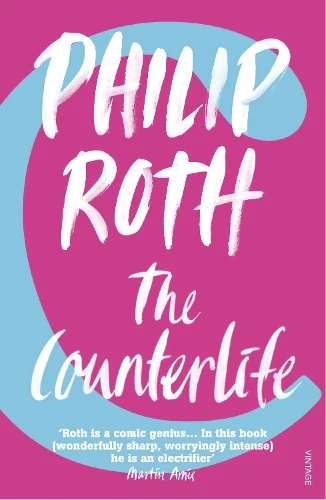
The Counterlife – Philip Roth
A daring and provocative exploration of parallel lives, Jewish identity and the stories we tell about ourselves.
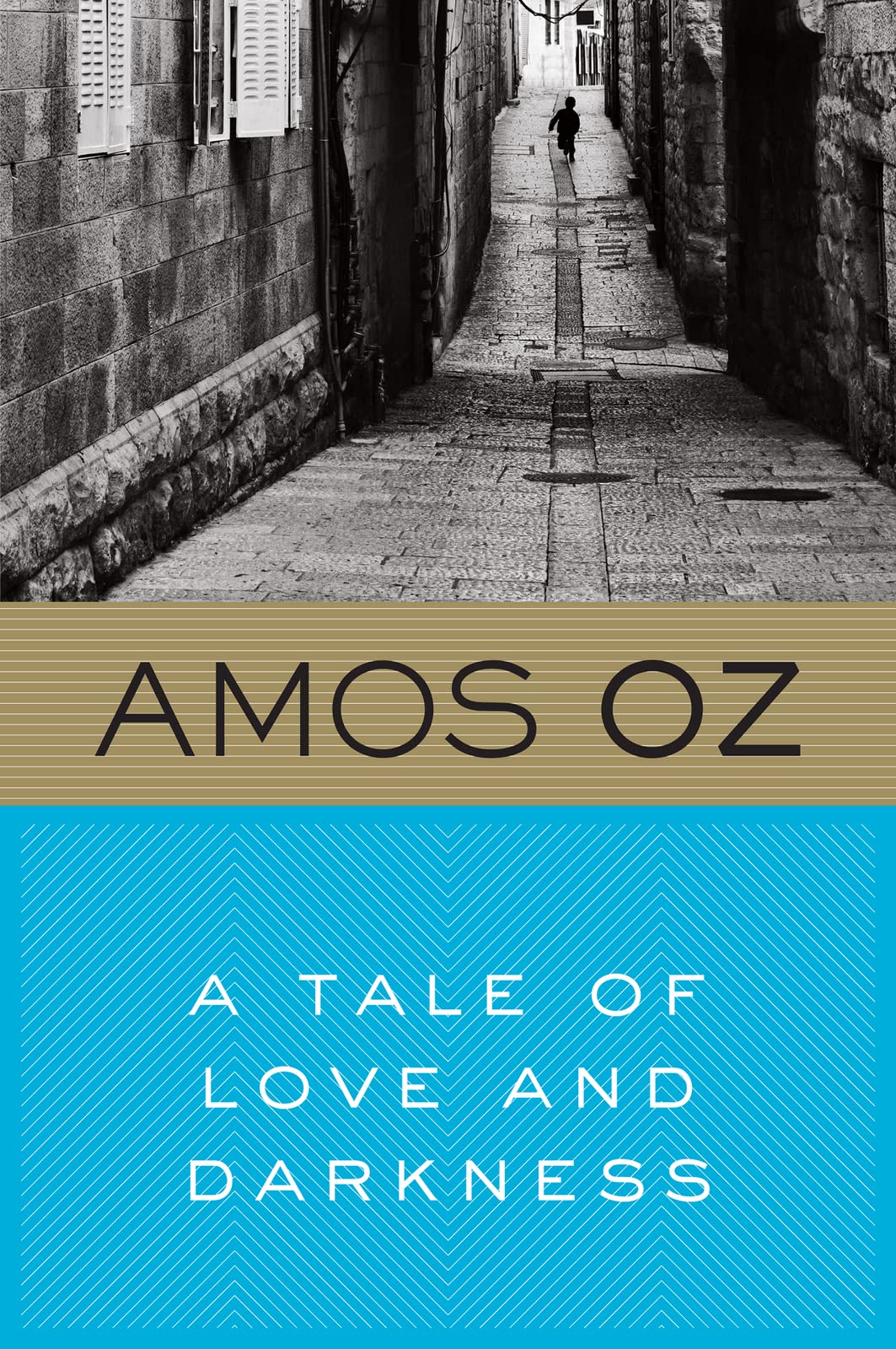
A Tale of Love and Darkness – Amos Oz
A luminous memoir of family, language and the birth of Israel, seen through the eyes of one of its great writers.
The Finkler Question – Howard Jacobson
A witty and incisive novel about friendship, self-consciousness and what it means to be Jewish in modern Britain.
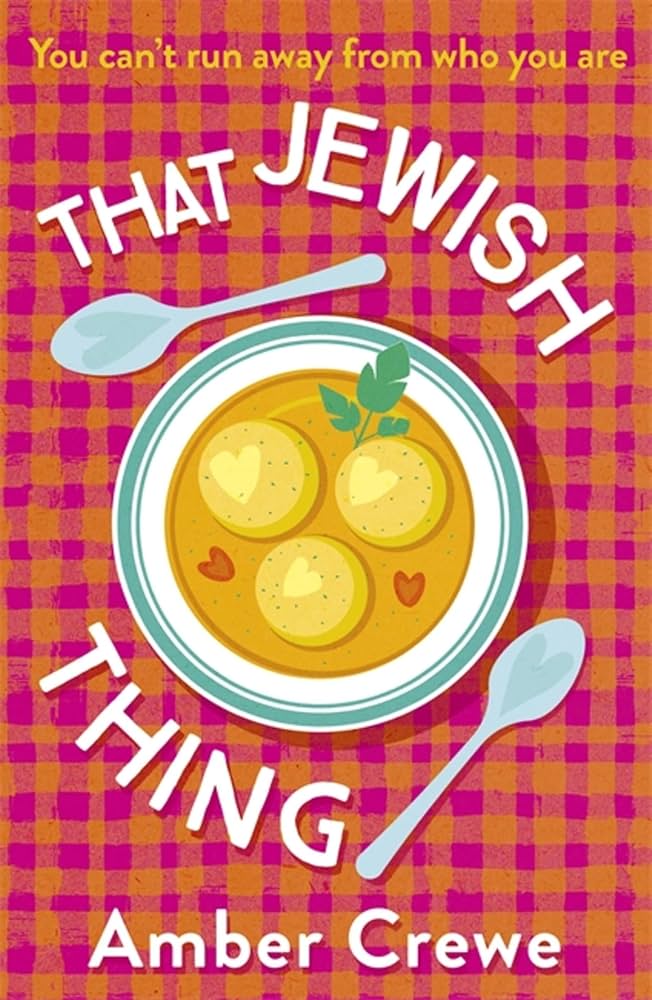
That Jewish Thing – Amber Crewe
A contemporary and candid meditation on Jewish identity, culture and the search for belonging.
The Man Who Sold Air in the Holy Land – Omer Friedlander
Darkly comic short stories set in Israel and Palestine, where ordinary lives unfold against an extraordinary backdrop.
Non-fiction
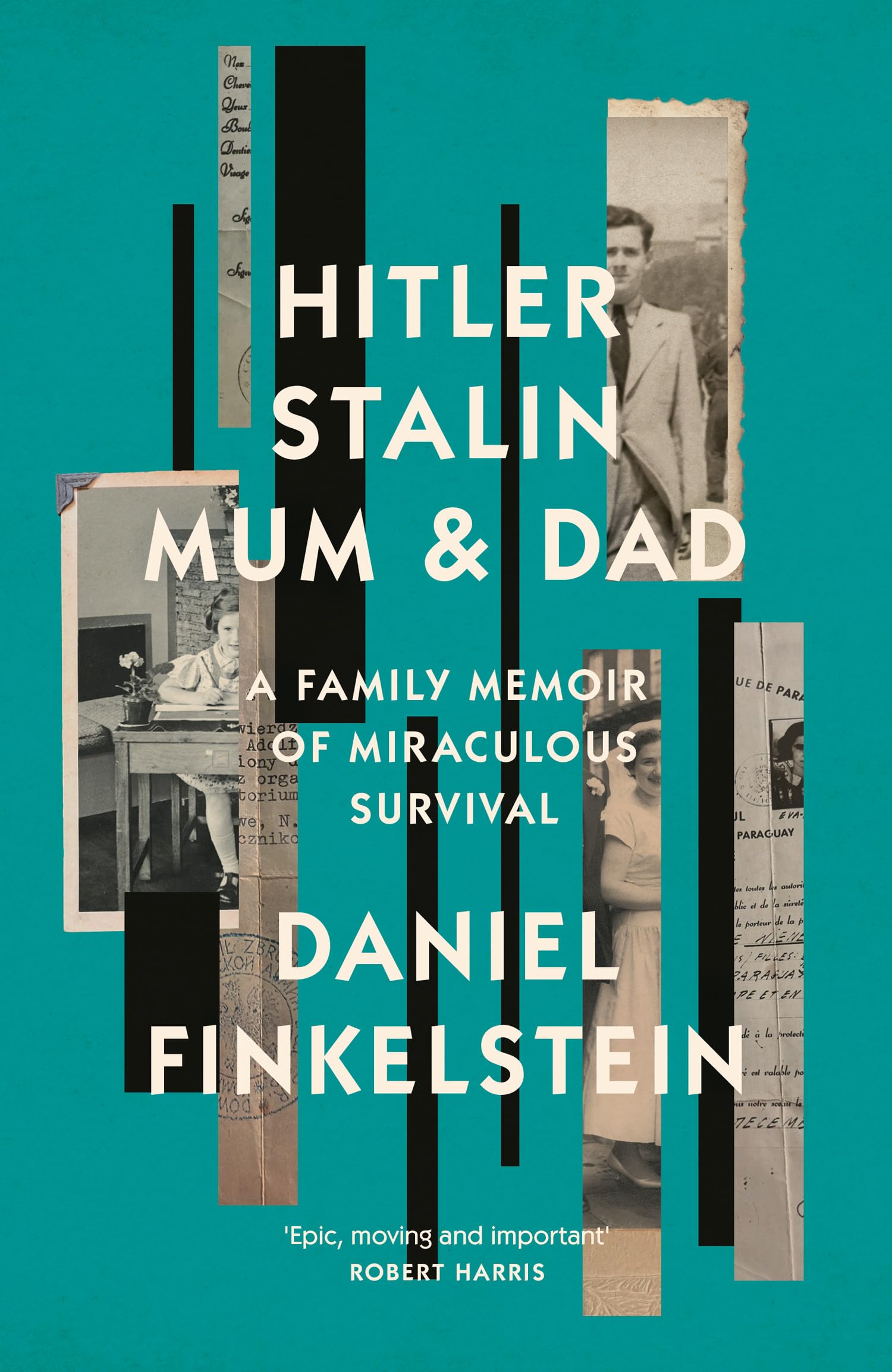
Hitler, Stalin, Mum & Dad – Daniel Finkelstein
A powerful family history that traces one family’s survival through the twin terrors of Nazism and Stalinism.
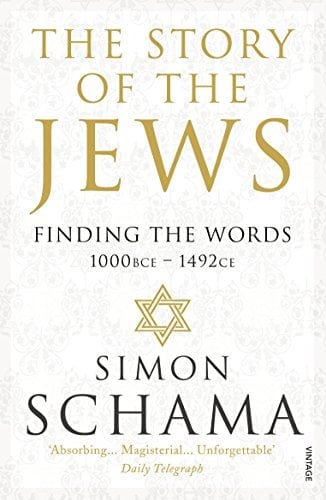
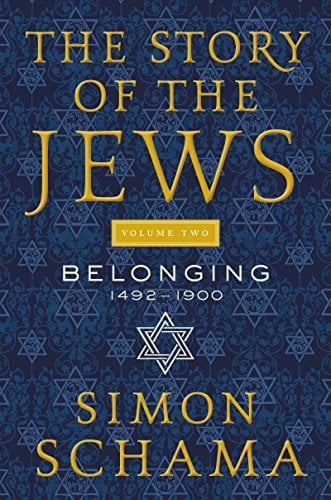
The Story of the Jews – Simon Schama
A sweeping and accessible history of Jewish life across continents and centuries.
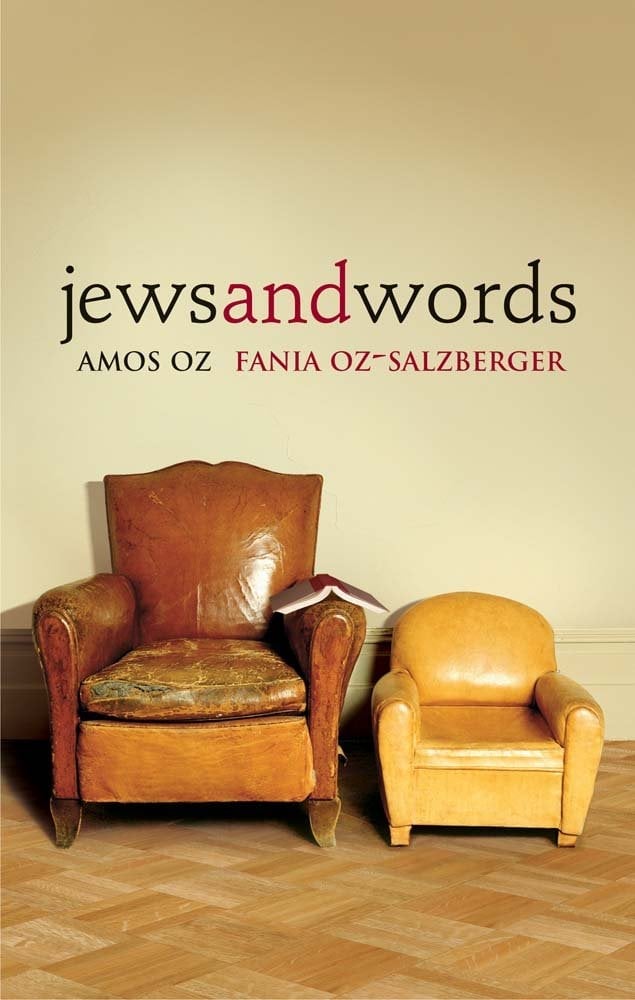
Jews and Words – Amos Oz & Fania Oz-Salzberger
A spirited exploration of the central role of text, debate and storytelling in Jewish civilisation.
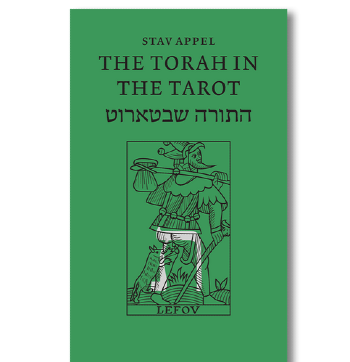
The Torah in the Tarot – Stav Appel
A creative and thought-provoking dialogue between ancient Jewish wisdom and symbolic interpretation.
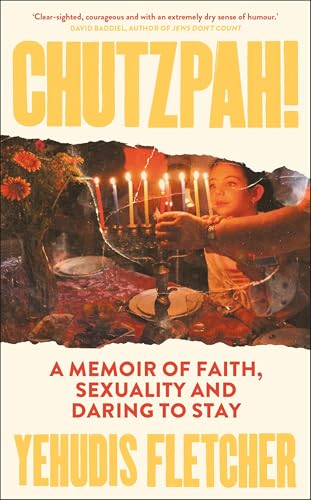
Chutzpah – Yehudis Fletcher
A bold call for confident Jewish activism rooted in pride, resilience and moral clarity.
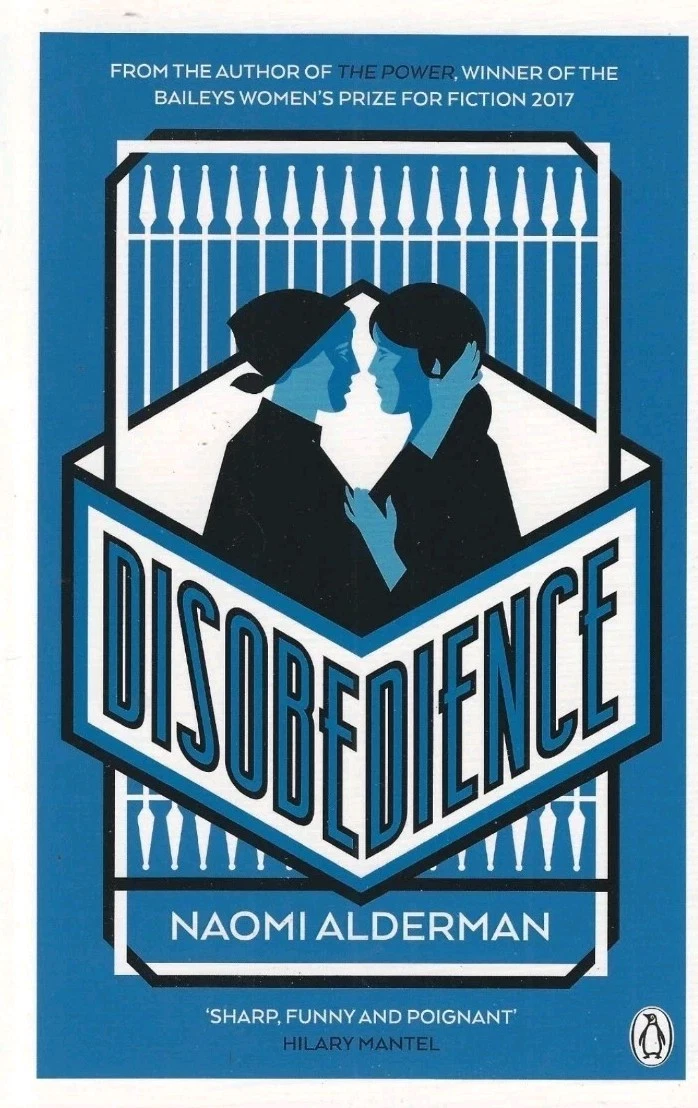
Disobedience – Naomi Alderman
A compelling novel of faith, desire and rebellion within London’s Orthodox Jewish community.
Future Tense – Rabbi Lord Jonathan Sacks
A visionary reflection on Jewish continuity, responsibility and the challenges of the modern world.